How Durable Is 3D Printed Material? PLA vs PETG Guide
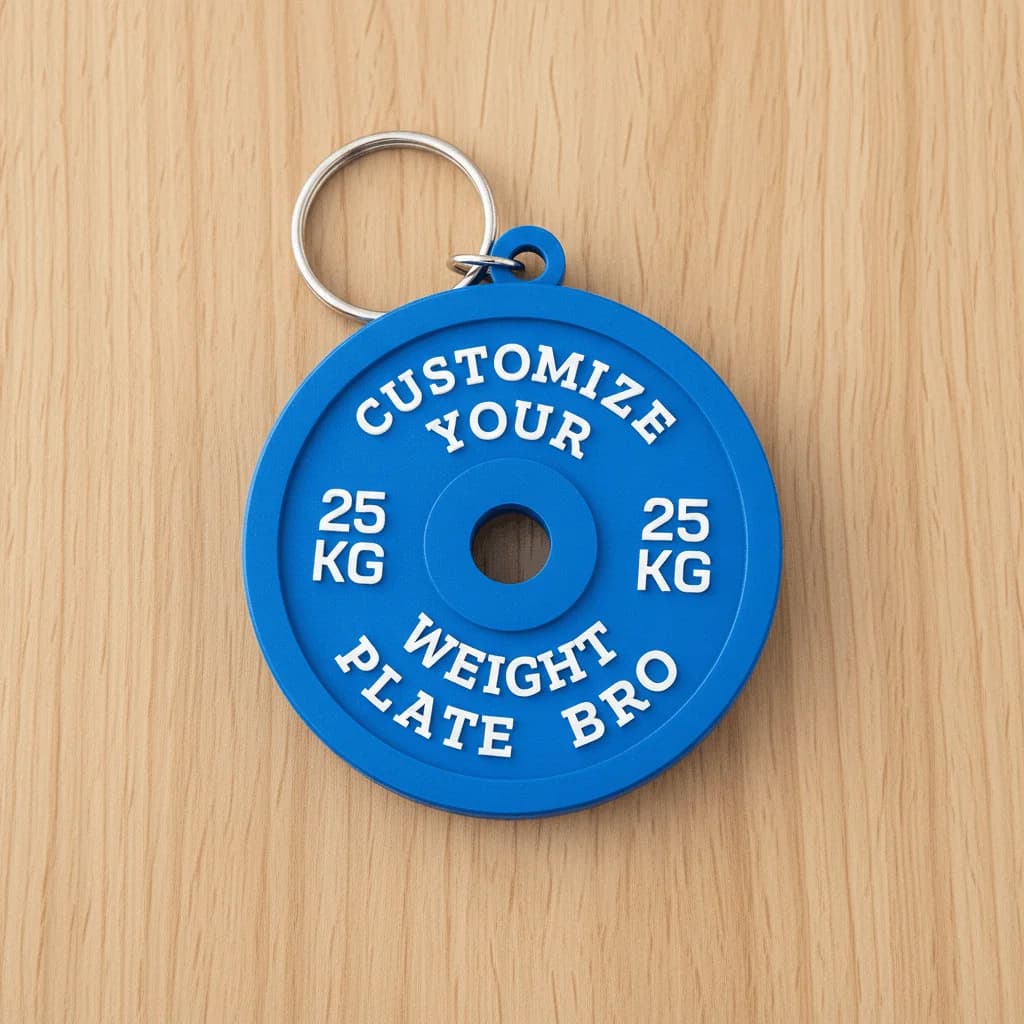
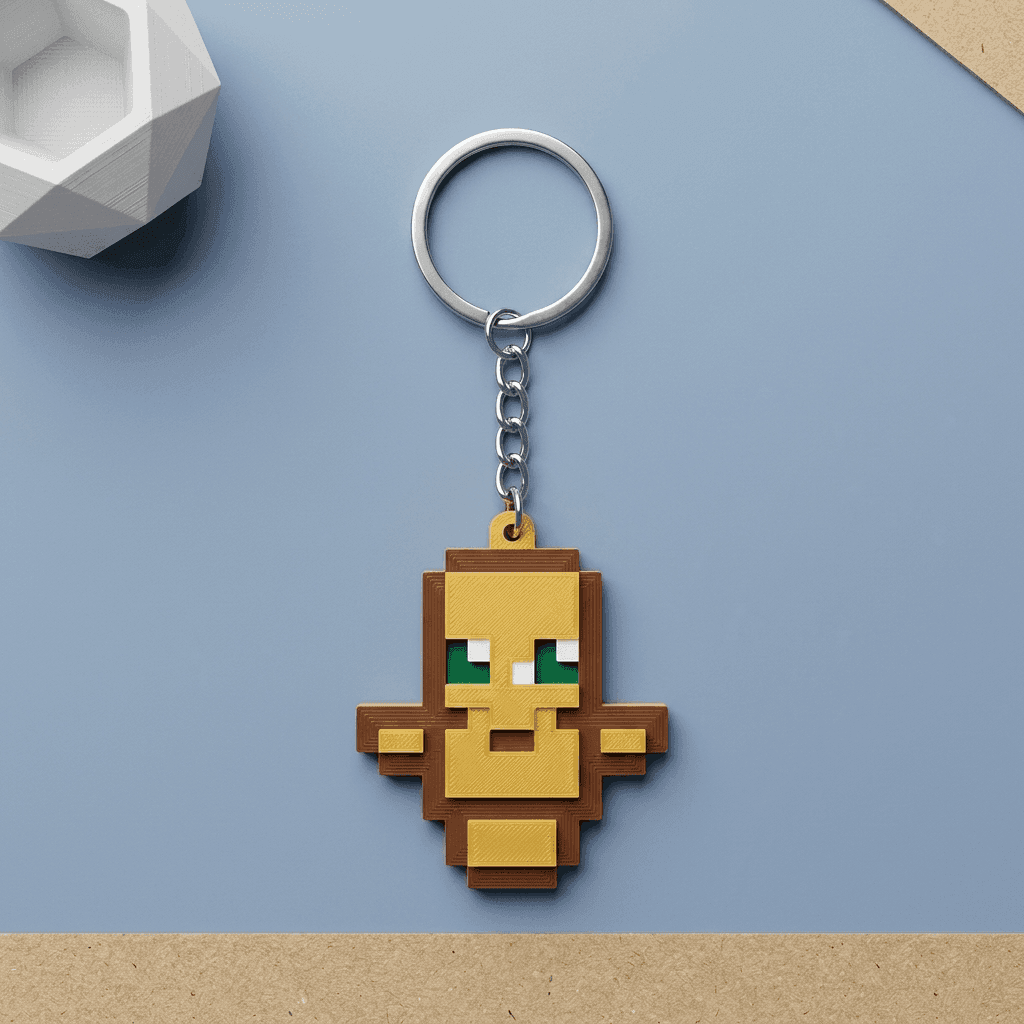
If you’re buying a 3D printed keychain, decor piece, or a custom gift for the first time, it’s fair to ask: how durable is 3D printed material, really? The honest answer is that it depends on the material used and how the product is used and cared for. Are 3D printed products durable enough for daily life in India — hot summers, monsoon humidity, festival travel, everyday handling? For most everyday uses, yes. This guide explains what FDM 3D printed products are actually made of, how PLA and PETG differ, and simple care tips so your pieces last as long as they should.
What Are 3D Printed Products Actually Made Of?
Most consumer 3D printed products, including the ones at 3DPrintShop.in, are made using FDM (Fused Deposition Modeling) printing. A spool of solid plastic filament is melted and deposited layer by layer until the final shape is built up. There’s no mould, no injection — every object is printed to order.
The two most common materials for this kind of printing are PLA (Polylactic Acid) and PETG (Polyethylene Terephthalate Glycol). Both are thermoplastics, but they behave quite differently once your product is off the printer and into daily use.
Is PLA Strong? What to Expect
PLA is one of the most widely used 3D printing materials worldwide, and for good reason — it prints with crisp detail, holds colour well, and is a solid choice for a huge range of decorative and light-use items.
Where PLA performs well
- Keychains, bag tags, and desk showpieces
- Pooja and temple decor kept indoors
- Gifting items, trophies, and display pieces
- Gaming collectibles and figurines
Where PLA has limits
So, is PLA strong? For handling, shelf display, and everyday indoor use, PLA is quite rigid and holds its shape well. But it is more brittle than PETG under sudden impact, and it softens at lower temperatures. That means a PLA piece left inside a closed car on a hot afternoon, or right next to a sunny window for long hours, can gradually warp. It’s best suited to indoor, room-temperature environments rather than direct outdoor exposure.
PLA vs PETG: The Practical Difference
When people compare PLA vs PETG, the real-world difference comes down to flexibility and heat tolerance.
- PETG is more impact-resistant and slightly flexible, so it absorbs knocks better instead of cracking.
- PETG has a higher heat tolerance than PLA, making it a better fit for spaces that get warm, like near a window, a vehicle dashboard, or a workspace with more sun exposure.
- PETG also has better natural resistance to moisture, which is useful in India’s humid or monsoon-heavy regions.
- PLA generally gives a slightly smoother, more matte finish and is a dependable default for indoor decorative and gifting items.
Neither material is “better” across the board — PLA and PETG are simply suited to different conditions. That’s why the right choice depends on where and how the product will actually be used, not just how it looks on day one.
Indoor vs Outdoor Use in Indian Conditions
India’s climate varies a lot by season and city, so it’s worth thinking about where a 3D printed piece will actually live.
Indoors (recommended for most products)
Shelves, desks, pooja corners, cupboards, and gifting displays are ideal environments for both PLA and PETG. Stable indoor temperatures and low direct sun exposure mean the print holds its shape and colour well over time.
Outdoors or high-heat spots
Balconies, car dashboards, windowsills with direct afternoon sun, and outdoor gardens involve prolonged heat and UV exposure. Any thermoplastic, PLA or PETG, can soften, fade, or become brittle over long-term outdoor exposure. If you know a piece will sit somewhere hot or sunny, PETG generally tolerates that better than PLA, but neither material should be treated as a permanent outdoor fixture the way metal or UV-stabilised outdoor plastics are.
If you’re unsure which material suits your use case, our team is happy to guide you — reach out through our custom 3D printing page when placing an order.
3D Printing Materials in India: Choosing What’s Right for You
When shopping for 3d printing materials india-wide, think about three simple questions:
- Where will it stay? Indoor shelf or desk (PLA is fine) vs. sunnier or warmer spot (PETG is the safer bet).
- Will it be handled often? Items that get picked up, carried in bags, or passed around (like keychains) benefit from PETG’s toughness.
- Is it purely decorative? Static display pieces like pooja decor or trophies do very well in PLA.
You can browse ready options and see material notes on individual listings in our shop, or explore categories like home decor, pooja and temple decor, and keyrings and bag tags to see what fits your need.
3D Printed Product Care: Keeping Prints Looking New
Good 3d printed product care is mostly common sense, and it goes a long way in extending the life of your piece.
- Avoid prolonged heat. Don’t leave prints in a closed car, near a stove, or pressed against a sunny windowpane for extended periods.
- Clean gently. Wipe with a soft, slightly damp cloth. Avoid harsh chemical cleaners or abrasive scrubbing on painted or detailed surfaces.
- Keep it dry when possible. Occasional monsoon exposure is generally fine, especially for PETG, but avoid soaking or prolonged submersion.
- Handle with normal care. These are durable everyday objects, not indestructible ones — treat them the way you would any good-quality plastic or resin product.
- Store thoughtfully. If not on display, keep pieces in a drawer or cupboard away from direct sunlight and heat sources.
Following these basics, most 3D printed products comfortably last for years of normal indoor use.
Frequently Asked Questions
Are 3D printed products durable enough for daily use?
Yes, for typical indoor use — handling, display, gifting, and everyday items like keychains or desk accessories — 3D printed products in PLA or PETG are quite durable. Durability depends on the material chosen and how the product is used and stored.
Which is better for outdoor use, PLA or PETG?
PETG generally handles heat, sunlight, and moisture better than PLA, making it the more suitable choice if a piece will spend time near windows, in vehicles, or in warmer spots. Neither material is designed for permanent, harsh outdoor exposure.
Will a 3D printed item melt or warp in Indian summer heat?
Both PLA and PETG can soften if left in very high, sustained heat, such as a closed car in direct sun. Under normal indoor room temperatures, even in Indian summers, both materials hold their shape well.
How long do 3D printed products typically last?
With reasonable care and normal indoor use, 3D printed products can last for years without noticeable wear. Lifespan depends on the material, how often the item is handled, and its exposure to heat, sun, and moisture.
Still deciding between PLA and PETG for your next order? Explore our full range in the shop or head to Customize to personalize colours and text for a piece built to last.